China's draft rules on gig worker pay and rest face hurdles, analysts say
Draft rules on pay, rest and protections for platform workers could be limited by financial pressures, differing work arrangements and enforcement challenges…
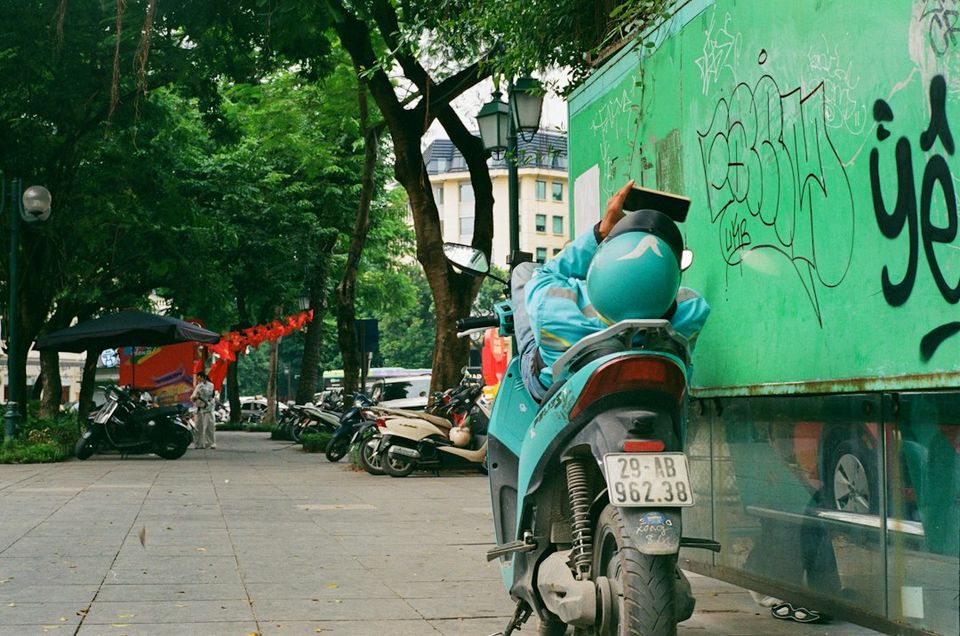
China released draft rules on Oct 8 covering pay, rest and other protections for ride-hailing drivers, delivery riders and other platform workers, part of an estimated 84 million people in what Beijing calls "new forms of employment". Analysts cited by CNA say their impact may be curbed by money pressures, varied working set-ups and difficulties in enforcing the rules.
What the draft would change
Under the proposed rules, gig workers would get breaks after four consecutive hours of work, while platforms would face stricter requirements on pay and how they manage workers. Companies would have to pay workers at least once a month, offer higher rates for work on statutory holidays and factor in expenses borne by workers, such as vehicle costs, when calculating pay.
The draft also targets the algorithms behind platform work. Decisions to stop assigning orders or suspend accounts would require human review, rather than being left solely to automated systems.
China has previously issued guidelines to protect gig workers, including in 2021 and 2024. Ou Lin, an employment law lecturer at Lancaster University in Britain, told CNA the draft "does not establish an entirely new set of workers' rights". She said it "seeks to transform some existing protective requirements into more legally binding obligations."
Pay pressure and uneven arrangements
Each month, Chen, a 43-year-old Didi driver in Shenzhen, brings home about 10,000 yuan (US$1,400) once expenses are deducted, and she usually puts in 12 or more hours daily. "When we rest, we don't earn," she said.
Working arrangements differ among delivery riders. Yang Yuhao, 24, works at a station run by a contractor for Meituan. Riders at the station get four days of rest monthly, yet the station chooses the dates. Yang asked for a particular day off but was given a different date.
Wang, 42, is a crowdsourced rider. Platforms do not normally employ crowdsourced riders formally; these riders earn by the delivery and may use several apps at once. Through his work, Wang said, he gets no social insurance contributions, for example towards pension and medical coverage. In 2024, 71.5 per cent of Meituan's monthly active riders were crowdsourced, the company's 2024-2025 rider report says.
Ou said the draft would give basic protections to workers lacking formal employment relationships, and one measure would be a requirement for written working agreements. Even so, regular employees' social insurance entitlements would not automatically be matched for them.
Hurdles to enforcement
Public consultation on the draft runs to Nov 8, revisions remain possible, and no date has been announced for implementation.
"Policy design needs to strike a balance between protecting workers' safety and preserving their autonomy," said Li Jia, who is the School of Economics dean at Singapore Management University. He added that "Meaningful rest rights mean not only that workers can choose to rest, but also that they do not have to sacrifice their health and safety to maintain a basic income."
Ou also noted, on the question of enforcement, that the draft leaves some requirements without stated penalties for companies that do not comply. She further cautioned that contractors could be handed platforms' responsibilities, which might let the platforms sidestep their duties. Li said "Whoever controls the work process and can influence the risks should bear responsibility in proportion to that control."
Workers need greater support in exercising their rights, including from Chinese trade unions, according to Jenny Chan, who is an associate professor of sociology at Hong Kong Polytechnic University.