Commentary: Nepal floods may test climate talks, but compensation demands unlikely to yield soon
CNA commentary by COP30 envoy Arunabha Ghosh says Nepal asked the loss and damage fund for US$20 million against a US$4.8 billion rebuilding cost.
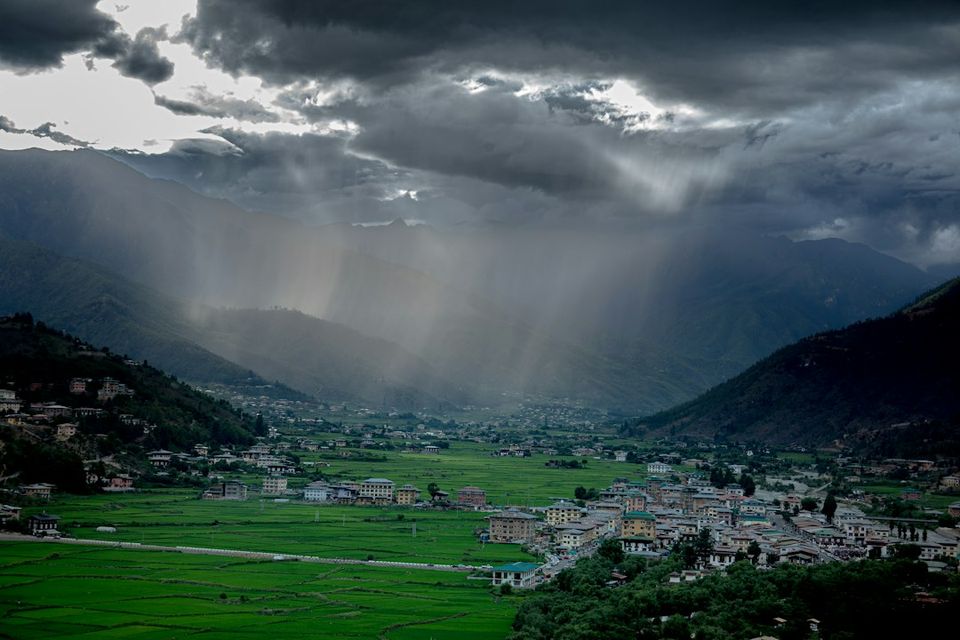
Having not yet recovered from a catastrophic glacial flood, Nepal suffered fresh flash flooding on Oct 11 that wrecked homes and infrastructure. In a CNA commentary, Arunabha Ghosh, a think tank founder and COP30 special envoy, argues that compensation claims by climate-vulnerable countries will probably not produce results any time soon.
A large gap between costs and requests
Nepalese authorities put the August glacial flood's damage to property and infrastructure at US$2.6 billion, with rebuilding expected to cost US$4.8 billion. Nepal has asked the United Nations' Loss and Damage Fund for only US$20 million, about 0.4 cent of the projected reconstruction bill.
According to UN data cited by Ghosh, freight rates for moving goods are twice as high for developing countries without a coastline as for coastal states. Damaged roads and bridges can push those costs up quickly. The UN estimates disaster losses in least developed countries at about 1 per cent of GDP, against a global average of 0.3 per cent.
Funds that have been slow to arrive
Announced at COP27 in 2022, the Fund for Responding to Loss and Damage (FRLD) started operating the following year. As of 2025, only US$585 million of the US$822 million pledged had been contributed, and there had been no project approvals or disbursements. Least developed countries and small island states point to disproportionate bureaucratic obstacles to getting funds.
The International Court of Justice ruled unanimously in July 2025 that states are legally bound, under international law, the UNFCCC and the Paris Agreement, to prevent serious damage to the climate system. The ruling is advisory, however, and does not require developed countries or major emitters to provide extra resources. Developed countries have strongly resisted tying loss and damage payments to legal liability for historical emissions.
Other tools have limits too. Launched at COP27, the Global Shield against Climate Risks provides no money for resilient infrastructure or for measures that reduce risk. Climate resilient debt clauses only postpone existing debt burdens rather than removing them. Neither a grant nor a compensation mechanism, the IMF's Resilience and Sustainability Trust provides loans with longer repayment periods on favourable terms.
Other routes for Nepal
Ghosh writes that developing countries could hold more bargaining power when they press for climate adaptation funding, since compensation stays politically fraught. He sees seeking support for multi-hazard early warning systems as a more pragmatic path for countries like Nepal. Last month at the UN General Assembly, the prime minister of Nepal floated the idea of a Himalayan Climate Resilience Mechanism involving India and China. Seeking to connect the Himalayas with climate-vulnerable Pacific Island states, Nepal's foreign minister put forward a "Sagarmatha to Sea" partnership when the Pre-COP Leaders' Event took place in Fiji in October.
The COP31 negotiations have no agenda item devoted to the issue. According to Ghosh, the strongest option would be for countries to jointly and forcefully call for the FRLD to be replenished in 2027, together with a more efficient way to disburse funds. Because development assistance is shrinking, even these demands may go unmet, and he says those vulnerable to climate change ought to prepare for disappointment.