Indoor PM2.5 hit 187 in S'pore flat with windows shut for an hour, against 169 outdoors, in CNA test
CNA's Talking Point says the single test and a separate mask test do not tell the whole story. Some expired masks still filtered particles effectively.
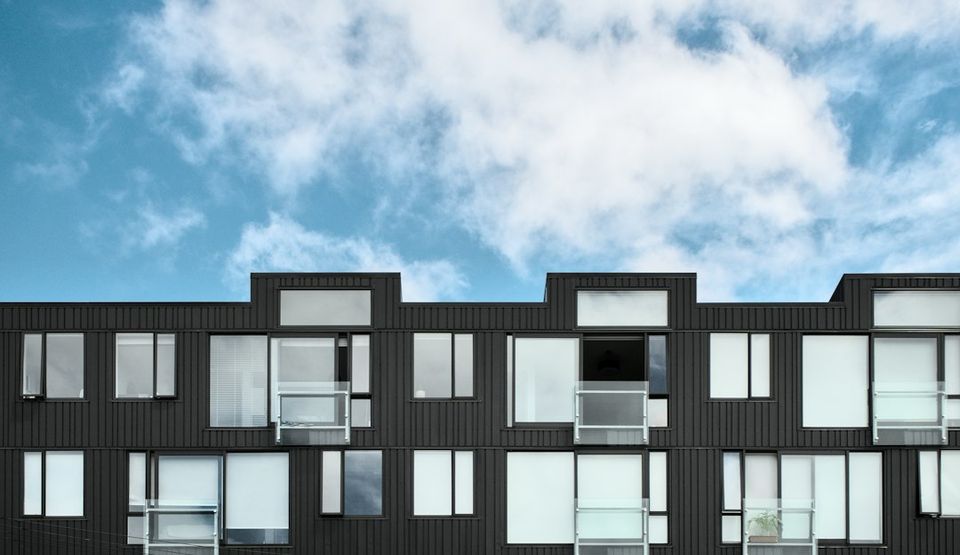
When CNA's Talking Point tested a fifth-floor flat with its windows shut for an hour, the PM2.5 reading indoors was 187 micrograms per cubic metre, against 169 outdoors. That is one test, and the programme says neither it nor a separate mask test tells the whole story.
Talking Point's report also found expired masks that can still trap particles well, and it put to experts the question of why neither result shows the full picture.
Why the haze has people worried
Unhealthy air has now been logged on 20 days in a row as at Oct 24, which tops the 15-day run of 2015 and makes this Singapore's worst haze episode since that year.
Public worry centres on long-term exposure to PM2.5, which is the main pollutant when haze drifts across borders. Each of these particles measures about one thirtieth of a human hair's width, and they can travel far into the lungs, where they cause inflammation.
Respiratory physician Steve Yang from The Respiratory Practice highlighted that prolonged exposure has been linked to a higher risk of stroke and lung cancer, among other things.
What viewers asked
Viewers wrote to Talking Point asking how best to protect themselves. They wanted to know whether air-conditioning helps, whether expired N95 masks still protect, and which air quality standards to rely on.
Programme host Diana Ser met experts to go through seven things Singaporeans should know this haze season.
For the full rundown, CNA has a 23-minute video, titled "How harmful is the haze and how can we protect ourselves?"
For now, the lesson is that keeping the windows closed and staying inside may look like the safest choice, yet it is still unclear how much cleaner the air at home actually is. The test above shows that closed windows alone did not guarantee lower PM2.5 in that flat.