Singapore looks at solar panels on carports and building walls for new 2035 target
A 4GWp target for 2035 was announced at Singapore International Energy Week. Singapore has reached 2.3GWp of solar capacity so far.
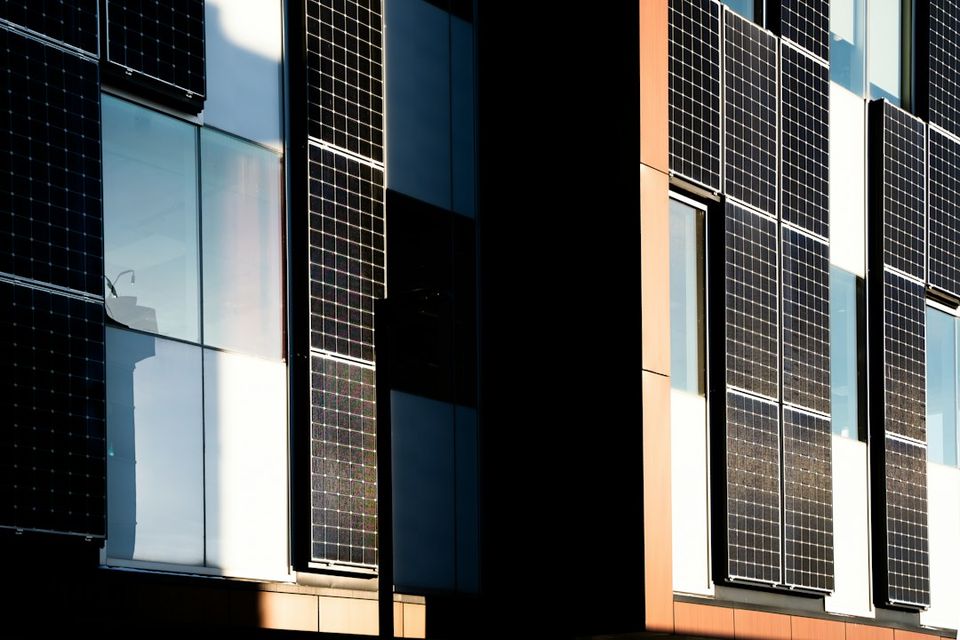
Singapore is looking at putting solar panels in more public places, such as carports and building walls, as it works towards a new 2035 target, according to CNA. To meet a fresh solar goal for 2035, the country is considering fitting panels in additional public locations, among them carports and the walls of buildings.
Singapore International Energy Week was the occasion on Monday for unveiling a 4 gigawatt-peak (GWp) solar goal for 2035. The earlier target was 3GWp by 2030, and Singapore has reached 2.3GWp of solar capacity so far.
New tender and panel of installers
Minister of State for Energy, Trade and Industry Gan Siow Huang spoke at the Asia Clean Energy Summit on Tuesday (Oct 27). She said Singapore will also look at using vacant land, for instance with mobile containerised solar panels.
A fresh tender from the Energy Market Authority (EMA) will cover the solarisation of public premises, extending to surfaces not used before, for example solar carports and building-integrated photovoltaics. Ms Gan said the tender will pool demand from government agencies, giving the solar industry greater scale and more opportunities.
Agencies will be supported by a panel of solar photovoltaic installers, appointed through a new framework, to judge the amount of solar their buildings can host and to prepare tailored proposals. According to EMA, the framework will widen opportunities beyond standard rooftops and allow Singapore’s scarce space to be used more effectively.
Two innovation challenges from JTC
Two innovation challenges were opened by JTC on Tuesday, with funding from the agency going to chosen projects so that they can build and trial their solutions.
Solutions suited to mounting right on the facades of buildings are what the first challenge seeks. Ms Gan said facades can be harder than rooftops, as deployment must account for building design, orientation and structural requirements, as well as maintenance, performance and cost.
The second seeks quick-to-deploy containerised solar panels paired with mobile battery energy storage systems. Ms Gan said this will help many temporary worksites that have limited or no access to the power grid and now rely heavily on noisy and pollutive diesel generators.
Homes and heritage buildings
EMA also said that a deal with the Sustainable Energy Association of Singapore will see a one-stop digital portal built, aimed at getting landed homeowners to put up solar panels. By pooling solar-related information and services, the platform seeks to let homeowners learn about their choices, get in touch with installers and look into group purchases.
Heritage state buildings are also a target for a pilot of solar roof tiles, which would not compromise their architecture and character. Because traditional clay tile roofs are an integral part of such buildings, standard solar panels have been fitted only in limited, localised parts of the roofs. To research and develop such technology, EMA has entered an agreement with CSEM, a Swiss innovation centre.
Limits of solar
Ms Gan said solar has limits. In 2050, the share of the country’s electricity needs that solar can meet will be 10 per cent at most. According to her, many of the low-carbon options under consideration remain nascent, so importing low-carbon electricity from the region is an important choice.
Ms Gan said that Singapore, which takes over the ASEAN chair, will work towards endorsement in 2027 of regulatory guidelines covering submarine power cable activities.