Singapore Rail Academy to partner five institutions so rail workers can gain diplomas and degrees
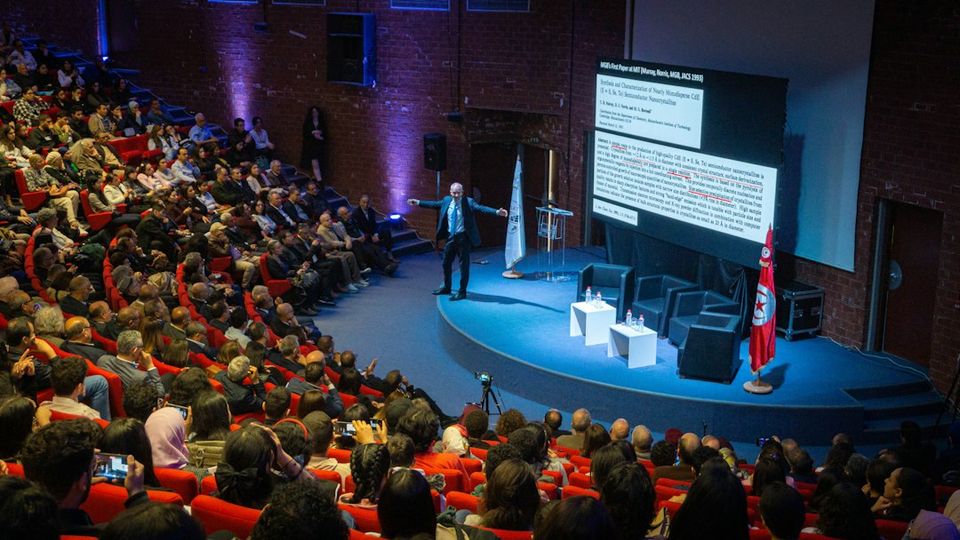
Transport Minister Jeffrey Siow announced the move on Saturday (Oct 24), saying industry certifications are not always recognised for formal qualifications.
The Singapore Rail Academy will team up with five educational institutions so that rail workers can more easily turn their job training and industry certifications into diplomas and degrees. Transport Minister Jeffrey Siow announced the move on Saturday (Oct 24). According to CNA, the five are ITE, Nanyang Polytechnic, Republic Polytechnic, Singapore Polytechnic and the Singapore Institute of Technology.
Certifications not always recognised
When a rail worker later seeks a formal diploma or degree, Mr Siow noted, credentials gained through operators or the academy do not always receive recognition. Tying training from the industry more tightly to formal education is how the partnership hopes to narrow that shortfall.
Mr Siow gave an example. While studying for the Work-Study Diploma in Land Transport Engineering at ITE College West, a student can pick up hands-on experience alongside public transport operators. After graduating and starting work, that person can keep attending academy training and earning certifications. If the worker later goes for a higher qualification, this training and these certifications could count towards the next academic milestone. "He or she does not have to start from scratch," Mr Siow said.
According to LTA, programmes in education and training for the rail sector that are more structured and complementary will be developed by the institutes of higher learning. Both new and current rail professionals will find routes through these offerings, among them Higher Nitec and diploma levels. Fresh work-study options in tie-up with public transport operators will also be examined by the institutes.
A wider revamp from November
This partnership forms one piece of a wider overhaul of the academy that starts in November. A single shared curriculum will absorb the training currently run by LTA, SMRT and SBS Transit, aiming for uniform standards and skills that carry over more easily between operators. Set up by LTA in 2017, the academy now runs more than 20 training sessions a year for about 500 engineers new to the rail industry. Its scope will widen to cover technicians and operations staff, with new industry certification pathways.
LTA said a new professional certification scheme covering the whole sector will be created by the academy for rail professionals who show "exceptional expertise and mastery" in the maintenance and operations of rail. Under that scheme, 20 per cent of the workforce handling rail operations and maintenance is meant to gain recognition.
From early 2027, the academy will progressively set up a rail-sector Workforce Skills Qualifications (WSQ) certification framework, starting with Basic Certificates in Railway Operations and Railway Maintenance. Rail experts from Singapore and abroad will also form an advisory panel, which will offer strategic guidance and exchange best practices.
Recommendations from the Rail Reliability Taskforce led to this overhaul. "In fact, we will shift our emphasis from opening new lines, to maintaining and upgrading existing ones," Mr Siow said. "As we focus more on upgrading and maintenance, we must build up an army of engineers and technicians who understand these systems deeply, who can make sound decisions, and carry out works safely," he said.
Lew Yii Der, the academy's executive dean, described the enlarged academy as an "important step forward" in strengthening Singapore's rail workforce.